

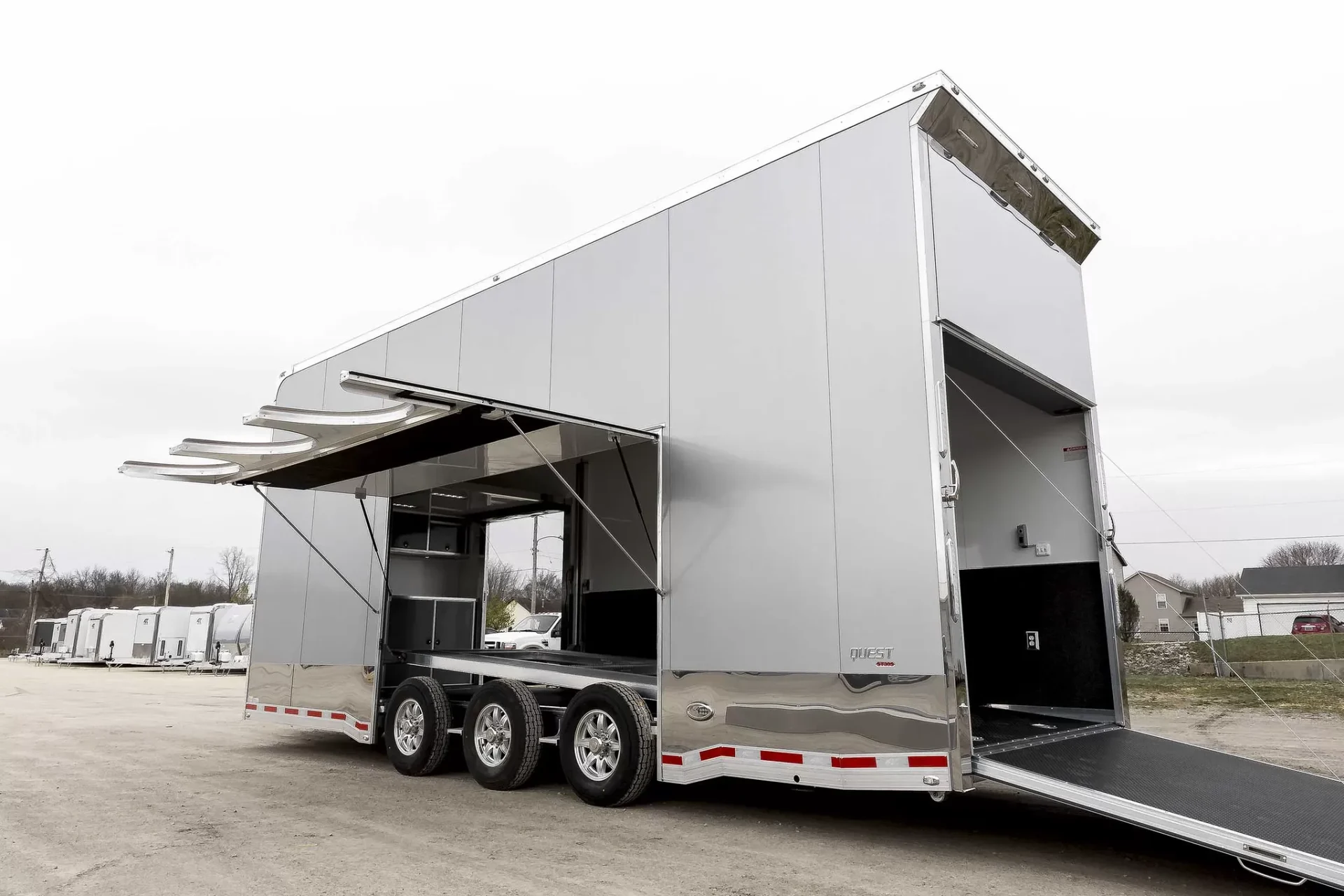
The Essential Features to Consider in a Stacker Trailer
Understanding the Importance of Load Capacity
When considering a stacker trailer for your transportation needs, one of the most critical factors to assess is its load capacity. This measurement determines how much weight the trailer can safely transport, which directly influences your operations’ efficiency and safety. In practical terms, load capacity encompasses not just the weight of the items you plan to carry but also factors in the distribution of that weight across the trailer to avoid overloading and potential structural failure. Most stacker trailers have load capacities ranging between 3,000 to 10,000 pounds, depending on their design and manufacturing materials.
To accurately gauge your required load capacity, it’s essential to evaluate your specific usage scenarios whether you are transporting cars, motorcycles, or heavy machinery. Each type of cargo comes with distinct weight distributions and handling requirements, meaning a one-size-fits-all approach rarely suffices. Ensure you consider not only the maximum weight but also how the load is distributed on the trailer’s axles; improper loading can lead to unfavorable driving dynamics, putting your vehicles and safety at risk.
Tailoring Dimensions: Finding the Right Size for Your Needs
Choosing the right dimensions of your stacker trailer is like finding the perfect puzzle piece it must fit seamlessly within your operational parameters. The total length, width, and height of the trailer significantly impact maneuverability and compatibility with your transport vehicles, offering a perfect balance between optimal capacity and ease of handling.
It’s advisable to first analyze what you plan to transport. For instance, if you’re primarily dealing with race cars, a trailer designed to accommodate their unique shapes and sizes is essential. Factor in the interior height; if too low, it could restrict vehicular loading and unloading. Dimensions also dictate the trailer’s footprint, which is crucial for parking, storage, and navigation in tighter spaces, such as at racing venues or service centers. Additionally, understanding local regulations concerning trailer sizes can help prevent complications that arise from being over- or undersized, which can affect licensing and road legality.
Material Matters: Steel vs. Aluminum Trailers
The material from which your stacker trailer is constructed plays a monumental role in its longevity, maintenance, and performance. The two primary options steel and aluminum offer a plethora of pros and cons that can markedly influence your purchasing decision. Steel trailers, often heavier and sturdier, present exceptional durability and strength, making them suitable for intensive use. However, they are more prone to rust and corrosion, requiring regular maintenance and protective coatings, especially in humid or salty environments.
Conversely, aluminum trailers provide the advantage of being significantly lighter, which can enhance fuel efficiency when towing. They are also resistant to corrosion, making them an optimal choice for those who prioritize low maintenance and prolonged lifespan. The downside is that aluminum may not deliver the same strength and resilience against heavy impacts as steel. Ultimately, your selection should be guided by your specific needs, operational environment, and frequency of use.
Spotting Quality: What to Look for in a Reliable Seller
Decoding Dealer Reputation: Reviews and Ratings
Once you’ve established basic parameters for your stacker trailer, the next step is finding a reliable seller offering a stacker trailer for sale. The reputation of a trailer dealer can significantly affect your overall purchase experience and subsequent support. Reviews and ratings from previous customers serve as vital touchpoints, providing insight into the quality of products, customer service, and the overall buying process. Searching through online platforms like Google reviews, forums, and social media channels can reveal the good, the bad, and the ugly, allowing you to make an informed decision.
Don’t just settle for surface-level reviews; seek comprehensive feedback that highlights strengths and weaknesses. Also, examine how the dealer responds to dissatisfied customers. A seller committed to exceptional service will not only engage with you during the buying process but will also cherish customer relationships post-sale, which directly ties into aspects such as warranty fulfillment and after-sales support.
Inspection Points: Ensuring the Trailer Meets Standards
When evaluating a potential stacker trailer, conducting a thorough inspection is paramount. Start by scrutinizing the structural integrity of the frame and the quality of the welds, which should be even and strong. Anomalies in welding can indicate poor craftsmanship and may lead to catastrophic failures down the line. Inspect the trailer’s flooring, ensuring it can handle your designated load without bowing or breaking. It’s wise to check for proper sealing and weatherproofing, especially if you plan to use your trailer in diverse environmental conditions.
Additionally, inspect the axles, tires, and brakes. These components are vital for safe operation and should function reliably under various load conditions. Arguably, the braking system is one of the most crucial features, as it directly impacts your stopping power while traversing inclines or heavy traffic. If possible, request a test drive to evaluate towing stability and overall handling. Remember, if anything seems off during your inspection, it’s better to err on the side of caution and consider alternatives.
Warranty and After-Sale Support: Why It’s Crucial
The warranty offered by trailer dealers can serve as a substantial safety net in case of defects or issues subsequent to your purchase. A robust warranty not only demonstrates the manufacturer’s confidence in their product but also offers peace of mind. Comprehensive warranties typically cover parts like axles, frames, and ramps, while others offer service packages for additional coverage. Be sure to ask about the specifics what is covered, the duration, and how the claims process works in practice.
After-sale support is equally crucial and should not be overlooked when selecting a dealer. An effective support system can include a dedicated service team to assist with maintenance, parts availability, and handling issues that may arise during operation. High-quality dealers will not only sell you a trailer; they will continue the relationship, providing you with the necessary tools and assistance to ensure the long-term reliability of your investment.
Price Tags & Budgeting: Securing the Best Deal
Market Trends: Understanding Pricing in the Stacker Trailer Landscape
The price of stacker trailers can vary dramatically based on several factors, including size, materials, and brand. Understanding market trends is vital for securing a fair price while ensuring you’re not compromising on quality. Generally, the price for stacker trailers can range from $5,000 for basic models to over $20,000 for premium, custom trailers loaded with advanced features. As with most products, supply chain dynamics, manufacturer reputation, and technological innovations can influence costs significantly.
It’s imperative to conduct comparative pricing research to gain baseline figures. Utilize online marketplaces, manufacturer websites, and local dealerships to glean insights. Consider factors such as seasonal sales, trade-in options, and available discounts. Networking with fellow trailer owners or industry professionals can also provide tactical insights into where you may find the best deals and what is deemed a fair price point.
Hidden Costs: What to Watch Out For
While price tags can give you a ballpark figure, understanding hidden costs is equally crucial in the budgeting process. From insurance and registration fees to maintenance and fuel costs, these expenses can mount up quickly. Furthermore, many trailers come without necessary accessories such as tie-downs, spare tires, or ramp systems, which can be additional out-of-pocket costs you’d need to consider. Be sure to also account for the potential need for upgrades or modifications, which might include enhanced brake systems or additional storage solutions for specific cargo types.
Another overlooked cost is the trailer’s depreciation. Just like vehicles, trailers lose value over time, which is essential to factor into your overall budgeting. If you anticipate selling or upgrading your trailer in the future, understanding its resale value can greatly benefit your financial planning. Therefore, comprehensive budgeting should assess not only the upfront costs but also the longevity, maintenance, and eventual resale potential.
Financing Options: Making Your Purchase Manageable
Not everyone can make a cash purchase when it comes to stacker trailers, which is why exploring financing solutions is advisable. Multiple financing options exist to aid your investment, from traditional bank loans to flexible dealer financing plans. Many dealerships recognize the demand for accessible purchasing pathways and often partner with financial institutions to provide tailored options at competitive rates.
Before settling on financing terms, take the time to shop around for the best interest rates and loan durations. Pay close attention to the annual percentage rate (APR), as it will significantly affect the total cost of your trailer over time. A common tip is to have a clear understanding of your credit score; a higher score can lead to better financing offers. Moreover, creating a detailed budget forecast will allow you to hone in on realistic monthly payments, ensuring that the financial burden remains manageable without compromising other crucial operational expenses.
Customization & Upgrades: Making Your Stacker Trailer Uniquely Yours
Trending Add-ons: From Hydraulic Lift Systems to Enhanced Storage
Customizing your stacker trailer can enhance utility, efficiency, and aesthetics, transforming a standard model into a uniquely tailored solution for your needs. One popular upgrade among users is the hydraulic lift system, which simplifies loading and unloading, especially for heavier vehicles. These systems can save time and physical strain, particularly during frequent transport of vehicles in a racing context.
Enhanced storage options, such as built-in cabinets, toolboxes, or optimized shelving, have also gained traction. As space can be a premium in stacker trailers, having designated areas for essential tools and supplies boosts efficiency. Moreover, customized ramps that facilitate smoother loading can add to the convenience. Tailoring your trailer to fit your specific usage will ultimately increase its value, making it a worthwhile investment.
Color and Branding: Personalizing Your Trailer for Business or Pleasure
For business owners or individuals who frequently transport their vehicles for events, branding and aesthetic customization can elevate the trailer experience. Customized wraps or paint jobs reflecting your brand identity not only enhance the trailer’s aesthetic appeal but can also serve as a mobile advertisement, drawing attention wherever you go. Select colors and designs that resonate with your branding or personal preferences to make the trailer truly yours.
Beyond visual elements, additional personalization can include custom lighting solutions, extra logo placements, and specialized decals that not only make your trailer stand out but also capture the essence of your venture, whether it be racing, hauling, or any other automotive endeavor.
Tech Innovations: The Future of Stacker Trailers
As technology evolves, so too do the capabilities of stacker trailers. Emerging tech innovations are paving the way for smart trailers equipped with features such as integrated GPS for real-time location tracking, weight sensors to ensure proper load distribution, and advanced braking systems that respond to varying load dynamics. These enhancements not only ensure a smoother transport experience but also prioritize safety and compliance with industry regulations.
Smart connectivity is yet another frontier that provides users the ability to monitor various attributes of the trailer through mobile apps. Through these applications, operators can track maintenance schedules, manage usage histories, and even access troubleshooting guides, making the trailer more efficient and user-friendly. Investing in these tech innovations now can lead to enhanced operations and reduced overall maintenance costs in the long run, ensuring that your stacker trailer remains a valuable asset for years to come.
