

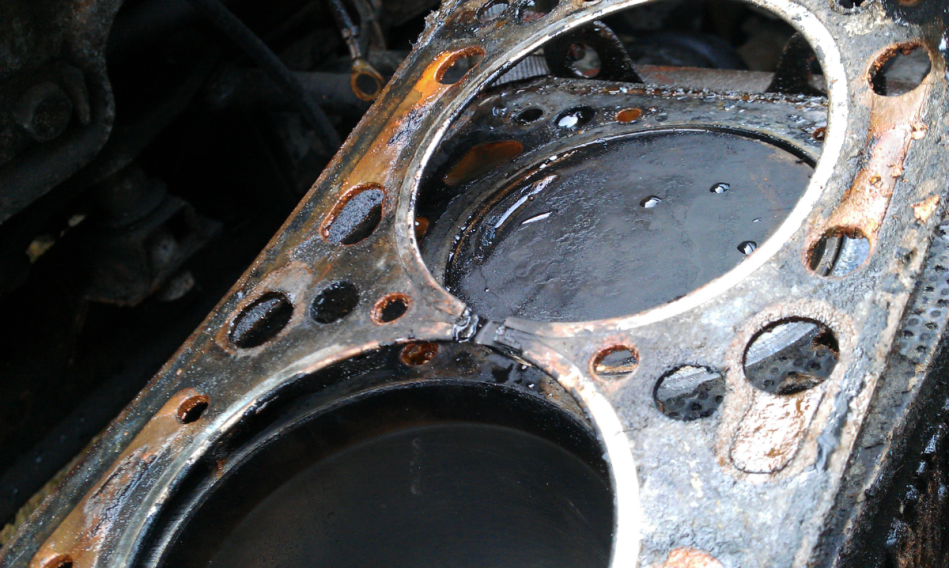
For decades, Toyota has earned a reputation for enduring engines, but even these trustworthy powerplants can suffer weighty issues as they age—one of ultimate common being head seal failure. Although not all Toyotas are prone to this question, certain earlier models like the 2AZ-FE 2.4L engines (prevailing in Camry, RAV4, Scion tC, and Highlander) and earlier 3.0L V6 engines have shown a pattern of head gasket wear at an unusually high rate.
This article breaks down the root causes, warning signs, and essential deterrent measures every Toyota landowner should experience.
Common Causes of Head Gasket Failure in Older Toyota Models
1. Weak Factory Head Bolt Threads (Common in 2AZ-FE Engines)
A famous issue in Toyota’s 2AZ-FE engines is feeble head bolt threads in the generator block. Over time, the threads stretch or strip, causing the head bolts to unbind slightly. This results in weak sealing pressure and, sooner or later, leads to gasket decline.
This design-related proneness is one of the main reasons these Toyota tools develop head gasket issues around 120,000–200,000 miles. You can also visit shops for Auto Repair in Chico, CA.
2. Age and Wear
As Toyota engines age, rational factors cause gasket decay:
- Constant heat cycling
- Metal growth and contraction
- Chemical breakdown from traditional coolant
- Oil contamination
After 15–20 years of use, even well-claimed engines may see seal material begin to degrade.
3. Coolant Neglect
Many owners disregard coolant replacement breaks. Old or contaminated coolant enhances acidity and continuously eats at the gasket material. Sediment development can also cause hotspots inside the transformer, increasing the risk of warping and gasket breakdown. You can also consult experts like Chico Car Care.
Warning Signs of Head Gasket Failure
Detecting early symptoms can halt total engine deterioration.
1. Overheating or Temperature Spikes
Persistent overheating almost always ties back to a head seal or cooling plan issue.
2. Milky Oil or “Chocolate Milk” Under the Oil Cap
Coolant mixing accompanying engine lubricant creates a white foam—a major warning signal.
How to Prevent Head Gasket Failure in Older Toyotas
1. Keep the Cooling System in Perfect Condition
This is the sole most effective prevention step.
- Replace coolant every 2–4 years
- Check hoses, radiator, and water pump continually
- Ensure the thermostat opens correctly
- Inspect the radiator cap for the correct pressure grade
2. Address Oil or Coolant Leaks Quickly
Small leaks can evolve into big losses. A leaking water inject or a small lubricant leak may appear minor, but can escalate stress on the head gasket. Experts like Chico Car Care can help you in this case.
Conclusion
When a head gasket starts to fail, the results can be harsh, including overheating, coolant deficit, engine misfires, lubricant contamination, and within engine damage. Understanding the causes and being aware of how in order to avoid gasket decline can extend the life of earlier Toyotas significantly.
