

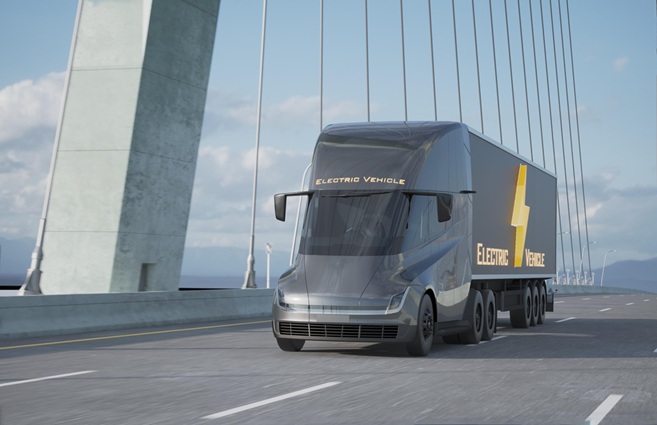
For over a century, diesel ruled the transport industry. It powered supply chains, built infrastructure, and kept commerce moving. But now, the tides are shifting and the future runs on electricity.
At the heart of this transition are EV transport trucks, purpose-built electric vehicles designed to haul, deliver, and move goods with zero emissions and maximum efficiency. These aren’t just concept vehicles or niche experiments. They’re hitting the roads, transforming fleets, and redefining what’s possible in logistics and heavy-duty transport.
So what’s fueling this change, and why are more businesses making the switch?
Diesel Is Losing Its Edge
Diesel-powered trucks have long been the industry standard, but they come with baggage: fluctuating fuel prices, rising maintenance costs, stricter emissions regulations, and increasing public scrutiny. As cities grow denser and more eco-conscious, these vehicles are becoming less welcome on urban roads.
Meanwhile, EV transport trucks are immune to most of these issues. They don’t spew exhaust fumes. They’re whisper-quiet, perfect for city deliveries. And they operate at a fraction of the cost over time.
The question isn’t whether electric will replace diesel — it’s how fast.
Power Meets Performance
Electric trucks aren’t just a cleaner alternative; they’re built to perform. Instant torque, better weight distribution, and regenerative braking make them highly capable even under heavy loads.
Modern EV transport trucks can handle intercity freight routes, navigate challenging terrain, and power through demanding shifts with ease. And since they don’t require multi-gear transmissions, drivers benefit from a smoother, more intuitive driving experience — reducing fatigue and increasing safety on the road.
For logistics teams, that means fewer delays, better control, and trucks that just keep going.
Lower Operating Costs, Higher ROI
While EVs may come with a higher upfront cost, the economics balance out — and often tilt in favor of electric. Here’s why:
- Fuel Savings: Electricity is significantly cheaper than diesel, especially when sourced off-peak or through renewables.
- Less Maintenance: Fewer moving parts mean fewer breakdowns, no oil changes, and reduced wear and tear.
- Tax Incentives: Many regions now offer substantial incentives for switching to electric vehicles, thereby reducing capital expenditure.
- Depreciation Benefits: EVs are proving to hold their value longer, especially as demand increases.
Over the life of a vehicle, EV transport trucks often outperform their diesel counterparts not just environmentally, but financially.
Fleet Electrification Is Scalable
You don’t have to be a Fortune 500 company to start building an electric fleet. Whether it’s a small-scale courier business, a mid-sized regional hauler, or a municipal services provider, EV transport trucks come in a range of configurations and capabilities to suit different needs.
Some companies start small — a few vehicles at a time — testing them on specific routes or deliveries. Others are transitioning entire fleets as diesel trucks reach the end of their service life. Either way, scalability is built into the new electric transport ecosystem.
Adopting electric isn’t just for trendsetters anymore — it’s a smart, sustainable business move.
The Green Factor Is More Than Optics
Sustainability is no longer a PR checkbox. Customers, clients, investors, and employees are all paying closer attention to how companies operate.
Switching to EV transport trucks doesn’t just cut emissions — it sends a message: this business is forward-thinking, responsible, and committed to real impact.
In sectors such as retail, food distribution, and manufacturing, where carbon footprint transparency is increasingly required, having a clean transport strategy is no longer optional. It’s part of doing business.
Data-Driven Efficiency
Electric transport also opens the door to smarter operations. Most EV trucks come with built-in telemetry systems that deliver real-time data on routes, battery performance, and maintenance needs.
This allows fleet managers to:
- Monitor vehicle health proactively
- Optimize routes based on energy use
- Prevent costly downtime through predictive maintenance
- Maximize asset utilization across the board
The result? A more agile, efficient, and tech-enabled logistics operation — one that moves faster and wastes less.
The rise of Electric Commercial Vehicles isn’t a trend — it’s a turning point. From cleaner streets and quieter cities to lower costs and smarter systems, electric heavy vehicles are shaping the future of transport logistics across every industry.
For companies looking to future-proof their operations, reduce their environmental footprint, and stay ahead of regulation, they deliver cutting-edge electric transport solutions that are built to perform and engineered to last.
