

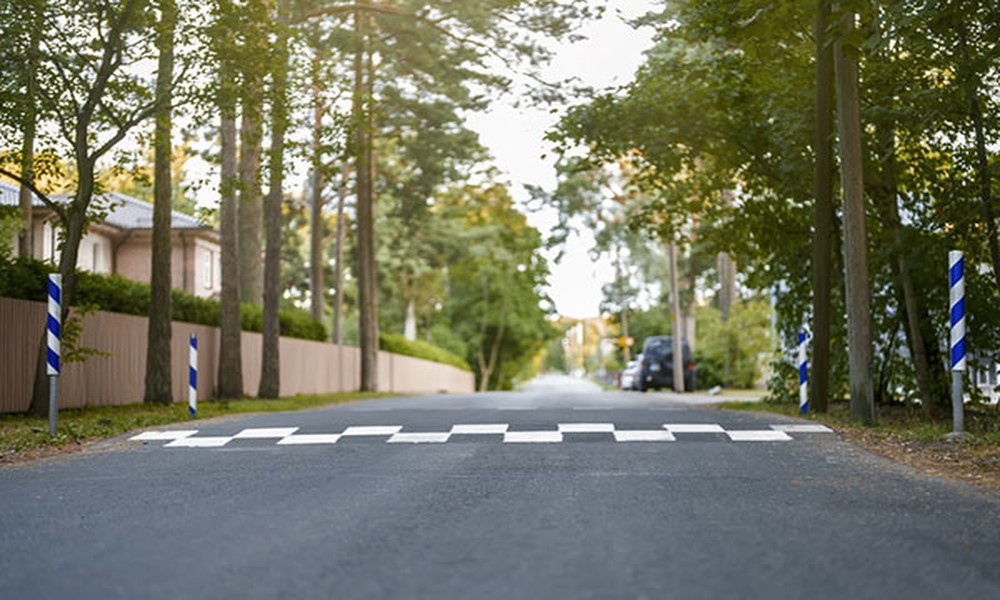
Florida property owners face unique roadway challenges, from heavy rain to busy neighborhood traffic and strict local rules. Before installing speed bumps, you need more than a quick fix for speeding vehicles. The right solution must support safety, drainage, emergency access, and compliance. That is why working with an experienced traffic calming team matters. Our team helps private communities, HOAs, commercial properties, and residential owners choose speed control options that are practical, legal, and built for Florida conditions.
Public roadway restrictions versus private community authority
Not every road can be modified by the property owner who lives beside it. In Florida, public streets are usually controlled by the city, county, or another local agency. Private roads, gated communities, apartment complexes, and HOA-managed streets may allow more control, but approvals still matter. Our team helps you understand what type of roadway you have before you invest in the wrong solution.
- Public roads often require municipal review or approval.
- HOA roads may need board approval and community notice.
- Private commercial roads may allow faster decisions with proper planning.
- Poorly placed speed bumps can create liability, complaints, or removal costs.
Choosing a professional team helps you avoid guesswork. We look at ownership, traffic flow, signage needs, and drainage considerations for speed bumps before recommending an installation plan.
Emergency response access requirements during roadway planning
Speed bumps should slow traffic without creating problems for emergency vehicles. Fire trucks, ambulances, and police vehicles need safe and timely access through residential and private roads. Florida communities must consider how traffic calming affects response routes, turning areas, and roadway width. Our team designs with safety in mind, not just speed reduction.
A smart plan can reduce speeding while keeping access clear. This is especially important for gated communities, senior living properties, apartment complexes, and neighborhoods with limited entry points.
- We evaluate access routes before installation.
- We recommend proper spacing and placement.
- We consider visibility, markings, and signage.
- We help reduce risk for property owners and boards.
When you hire a qualified team, you get more than a speed bump. You get a safer roadway plan that respects the needs of residents, visitors, and emergency responders.
Traffic studies supporting neighborhood calming project approvals
Many Florida communities need proof that speeding is a real concern before installing permanent traffic calming. A traffic study can show vehicle speeds, traffic volume, problem areas, and peak activity times. This information helps HOAs, property managers, and local decision-makers justify a clear plan. Our team can help guide the process so your project starts with the right data.
Approvals are easier when the request is organized and practical. Property owners who rely on assumptions often face delays, pushback, or rejected plans.
- Speed data supports stronger decision-making.
- Traffic volume helps determine the right solution.
- Clear documentation builds trust with boards and residents.
- Professional recommendations reduce costly mistakes.
If your community is asking whether speed bumps are the right choice, we can help you move from concern to action. A well-supported plan gives your project a better chance of approval and long-term success.
Pedestrian activity patterns influencing installation suitability
Speed bumps are often requested where people walk, bike, cross streets, or gather near homes and shared spaces. In Florida neighborhoods, pedestrian activity can be high around clubhouses, pools, mail kiosks, parking areas, and school bus stops. These patterns matter because traffic calming should protect the people most exposed to moving vehicles. Our team reviews how people actually use the property before recommending placement.
The best installation is not always the most obvious location. A professional review helps identify where speed control will make the biggest safety impact.
- High foot-traffic areas may need added visibility.
- Crosswalks and sidewalks should be considered together.
- Lighting and pavement markings can improve driver awareness.
- Drainage paths and low spots must be reviewed before work begins.
This is where experience makes a real difference. We help you choose a solution that supports safer movement across the property without creating new hazards.
Local compliance standards affecting residential roadway modifications
Florida roadway modifications must be planned with local standards, property rules, and site conditions in mind. A speed bump that works on one property may not be suitable for another. Materials, height, placement, signage, pavement condition, and drainage all affect the final result. Our team brings the practical knowledge needed to install traffic calming that looks professional and performs properly.
Compliance is not just about avoiding problems. It is about protecting your investment and giving residents confidence that the project was handled correctly.
- We assess the site before recommending installation.
- We consider drainage considerations for speed bumps in Florida’s rainy climate.
- We help match the solution to the road type and traffic pattern.
- We focus on clean workmanship, clear communication, and safer results.
If you are considering speed bumps for a Florida property, contact our team before making a decision. We can review your roadway, explain your best options, and provide a quote for a solution designed around safety, compliance, and long-term value.
