

High-performance cars are designed to provide high levels of speed, handling and driving excitement. These cars are engineered with a set of advanced technologies, specialised materials, and precision engineering, as opposed to standard cars primarily used for daily driving. The high-performance car’s life cycle is a FisherLuxuryRental car brand distinctive one, from its design and manufacturing, through its use, up to maintenance and when the time comes to sell or restore it.
Design and Development Stage
The process of a high-performance car starts with great research, engineering and design. New car models take years to develop and are aimed at better speed, aerodynamics, handling and efficiency. Advanced computer simulations, wind tunnel testing and track evaluations give the engineers the chance to tweak every detail of the vehicle. The engines, suspension, braking systems and aerodynamics are all thoroughly researched for optimal performance and safety. Lightweight construction also plays a major part, with manufacturers using materials such as carbon fibre, and titanium to boost power-to-weight ratio.
Manufacturing and Assembly
The vehicle once done develops into the production stage. High-performance cars can be made in smaller quantities and are therefore more exclusive than mass-market vehicles. Some exotic and performance cars are put together by a mixture of top-notch robotics and traditional handcrafting. Mistakes are not allowed as they can impact performance and safety. Manufacturers take great care to install engines, suspension, electronic controls and interior components at assembly. Prior to departure from the factory, quality inspections and performance testing are carried out.
Ownership and Driving Experience
Once the vehicle is made, its ownership is entered. A high-performance car is engineered to deliver thrilling driving experiences with impressive acceleration, handling and technology. These cars are frequently driven by their owners for recreational driving, car events, luxury travel, or track experiences. But driving practices have a significant impact on the ongoing health and function of the vehicle. These cars are high-performance and may need greater maintenance and attention than conventional cars.
Maintenance and Upkeep
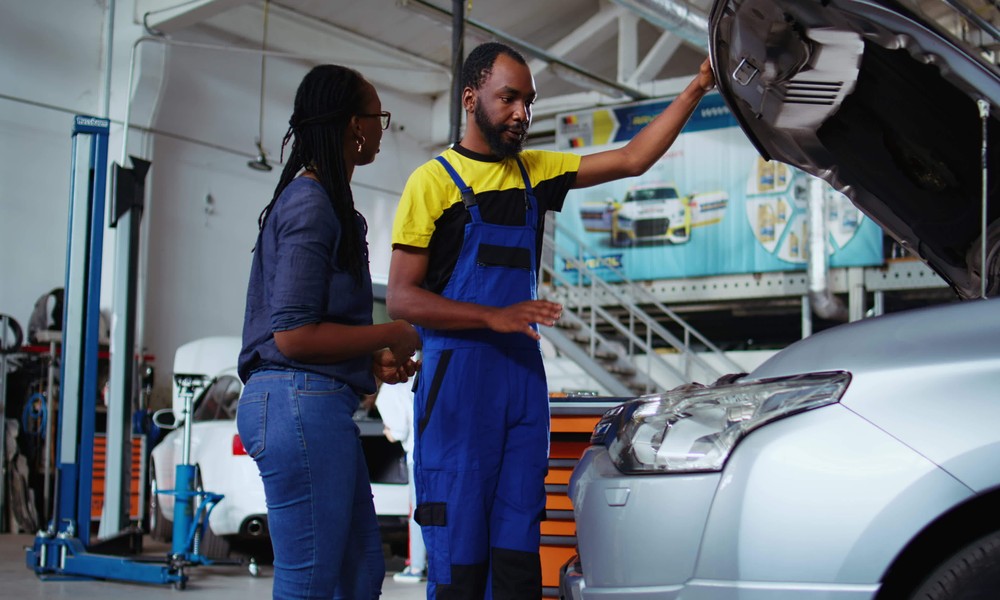
Maintenance is a crucial part of high performance cars lifecycle. High-performance engines, sophisticated braking, and unique tyres are subjected to higher stresses in use. Regular maintenance involves software updates, tyre replacement, suspension maintenance, brake inspections, and oil changes. High-performance fuel, high-performance oils, and specialised technicians who are certified by the manufacturer are also needed for many exotic cars. Good care of your equipment ensures it runs well, remains reliable and will be valuable if you need to sell it on. Failure to maintain your vehicle can result in expensive repairs and shorter vehicle life.
Clearly, depreciation, collectibility, and resale are the three main factors.
High-speed cars, like most cars, depreciate over time. But some of the limited production or iconic models might become collectables and become valuable. Resale values are determined by several factors including rarity, condition, mileage, service history, and brand reputation. Some owners keep their car in good condition for a long time as an investment or a collectible. The classic high-performance cars are often restored and preserved for their historical and automotive value.
Conclusion
Driving a high-performance car is not the only part of the car’s life cycle. These are advanced engineering and precision-built cars, from state-of-the-art engineering to precision manufacturing, and then on to specialised maintenance and maybe collectibility.
