

Introduction
The injection pump is one of the most important parts of a diesel engine, controlling how fuel is delivered to ensure the right amount reaches the engine at the right time. The type of pump used can significantly influence efficiency, performance, and fuel consumption. Since different designs operate in different ways, understanding their characteristics is essential. Focusing on selecting the right injection pump type helps ensure optimal engine performance, better fuel efficiency, and long-term reliability based on specific vehicle or application needs.
Role of the Injection Pump in an Engine
The main job of an injection pump is to send fuel into the engine’s cylinders under the correct pressure. This fuel mixes with air and creates combustion, which produces power. If the fuel is not delivered properly, the engine may not work efficiently.
A well-functioning injection pump ensures smooth combustion, better power output, and improved fuel economy. However, if the pump type is not suitable for the engine, it can reduce efficiency and cause performance issues.
Inline Injection Pumps and Efficiency
Inline injection pumps are known for their strength and accuracy. They have separate pumping units for each cylinder, which allows precise fuel delivery. This improves combustion and increases engine efficiency, especially in heavy-duty engines.
These pumps are reliable and can handle high pressure, making them suitable for large vehicles. However, they are larger and may consume more energy to operate compared to newer systems.
Rotary Injection Pumps and Efficiency
Rotary injection pumps are more compact and lightweight. They use a single rotating mechanism to distribute fuel to all cylinders. This design makes them more suitable for smaller engines.
They are efficient for everyday use and help reduce fuel consumption in light vehicles. However, they may not provide the same level of precision or power as inline pumps, which can slightly affect efficiency in high-performance engines.
Common Rail Systems and High Efficiency
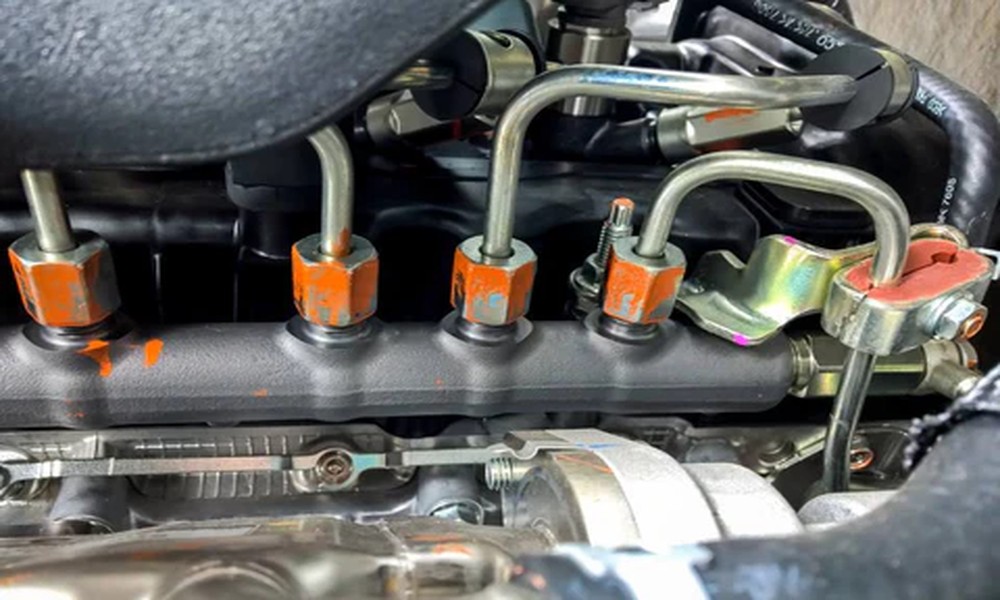
Common rail injection systems are modern and highly efficient. They store fuel in a high-pressure rail and deliver it electronically to the engine. This allows very precise control over fuel timing and quantity.
Because of this accuracy, common rail systems improve fuel efficiency, reduce emissions, and enhance engine performance. They are widely used in modern vehicles due to their advanced control and smooth operation.
Unit Injector Systems and Performance Balance
Unit injector systems combine the injector and pump in one unit for each cylinder. This allows high pressure and accurate fuel delivery. These systems help improve efficiency and performance, especially in diesel engines that require strong output.
However, they can be complex and may require careful maintenance to maintain efficiency over time.
Conclusion
The type of injection pump plays a major role in engine efficiency. Inline pumps offer strength and precision, rotary pumps provide compact efficiency, common rail systems deliver advanced control, and unit injectors balance power and accuracy. Choosing the right type helps improve fuel economy, performance, and overall engine life. Proper selection and maintenance ensure that the engine runs smoothly and efficiently under different conditions.
