

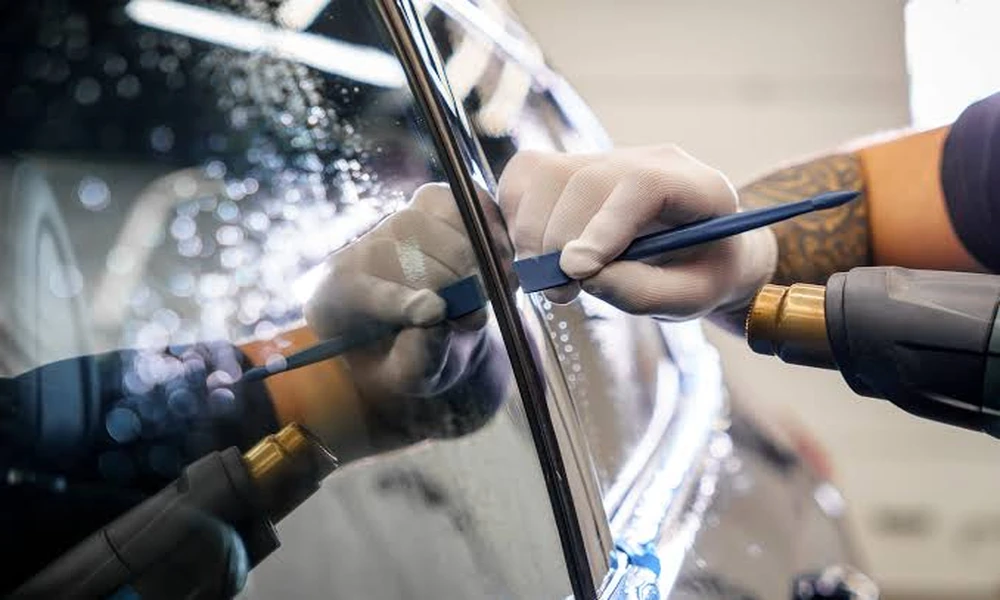
Professional auto glass work can be important when a windshield or vehicle window has been damaged by road debris, weather, accidents, or other impacts. Windshield replacement Jacksonville is one service drivers may need when damage is too extensive for repair, but the quality of the service depends on more than replacing the glass itself. Technician experience, replacement glass quality, installation methods, service options, and technology requirements can all influence the quality and safety of the finished work.
Evaluating the Type and Extent of Glass Damage
The first step is identifying the type and severity of the damage. Chips, short cracks, long cracks, shattered glass, and damage near the edge of a windshield may require different approaches.
Some minor damage may be repairable, while extensive cracks or damage affecting the driver’s primary field of vision may require replacement. A professional assessment can help determine which service is appropriate without relying solely on the visible appearance of the glass.
Checking Glass Quality and Vehicle Compatibility
Replacement glass should match the vehicle’s specifications. The make, model, year, dimensions, shape, and features of the original glass should be considered when selecting a replacement.
Quality also matters because the windshield contributes to visibility and vehicle protection. Some vehicles have windshields with integrated heating elements, rain sensors, acoustic features, or mounting areas for cameras. Choosing compatible glass helps ensure that these features can continue to function properly.
Comparing Mobile and In-Shop Services
Auto glass services may be available through mobile or in-shop appointments. Mobile service can be convenient when the vehicle is located at home, work, or another suitable location. It may also reduce the need to drive with damaged glass.
In-shop service can provide access to a dedicated work area and specialized equipment. The appropriate option depends on the type of damage, the vehicle, the installation requirements, and the conditions necessary for the work.
Why Professional Installation Matters
A windshield needs to be installed accurately within the vehicle’s frame. Professional technicians can remove damaged glass carefully, prepare the bonding surface, position the replacement correctly, and apply suitable adhesive and sealing materials.
Proper installation helps maintain a secure connection between the windshield and the vehicle. It can also reduce the likelihood of leaks, gaps, uneven fitting, or movement. Drivers should also follow guidance regarding adhesive curing time before using the vehicle normally.
Understanding ADAS Calibration Requirements
Modern vehicles may use advanced driver assistance systems, or ADAS, that depend on cameras and sensors positioned around the windshield. Features can include lane departure warnings, automatic emergency braking, and other driver-assistance functions.
Windshield replacement can affect the position of these components. Depending on the vehicle, calibration may therefore be required after installation. Drivers should ask whether their vehicle has ADAS technology and whether calibration forms part of the required service.
Questions to Ask Before Scheduling Service
Before scheduling auto glass work, drivers can ask about the technician’s experience, the type of replacement glass being supplied, installation procedures, and available service options. It is also useful to ask whether the glass is compatible with the vehicle’s existing features.
Questions about adhesive curing time, warranties, post-installation checks, and ADAS calibration can provide additional clarity. Understanding these details beforehand helps drivers make informed decisions about professional auto glass maintenance.
Supporting Reliable Auto Glass Care
Evaluating damage, glass compatibility, installation standards, service arrangements, and calibration requirements gives drivers a clearer basis for selecting auto glass services. These considerations can help support proper visibility, secure fitting, and the continued operation of vehicle safety features.
