

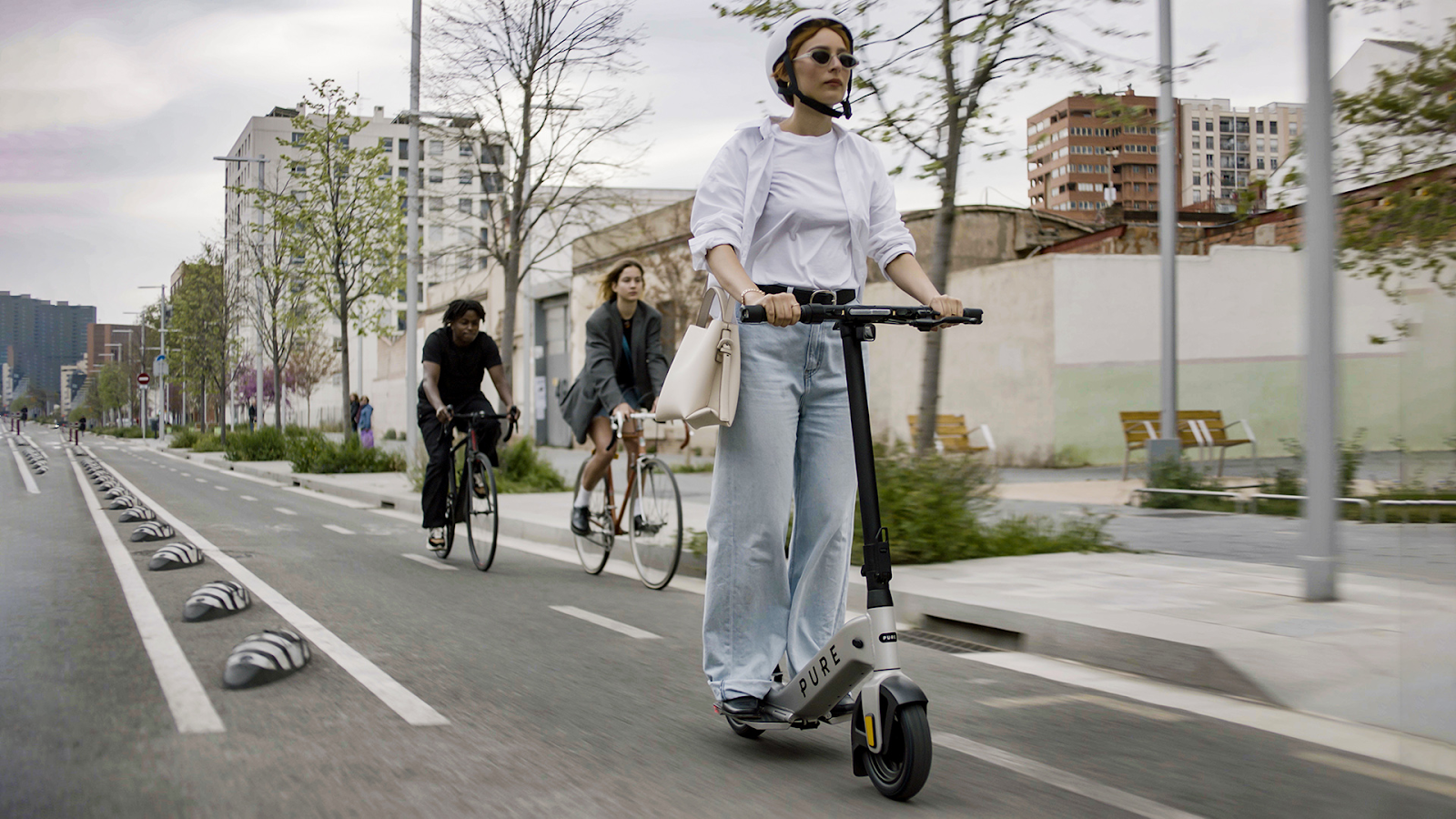
Riding an electric scooter is fun, fast, and convenient. Once you’ve learned the basics—like starting, stopping, and turning—you may want to take your skills to the next level. Advanced riding techniques help you ride more confidently, handle challenging situations, and get the best performance out of your electric scooter.
In this guide, we’ll walk through advanced skills like sharper turning, safer braking, boosting speed, riding in tough conditions, and customizing your scooter. These tips will make your rides smoother, safer, and more enjoyable.
Before we dive in, remember this: take your time. Learning advanced scooter skills is about practice, patience, and safety. Always wear a helmet and protective gear, practice in open areas, and never push your scooter beyond what it was built to handle.
Mastering Turns and Maneuvers
Turning might seem simple, but advanced turning is all about balance and control.
- Shift your weight correctly: When making a sharp turn, lean your body slightly into the turn while keeping both feet steady on the deck.
- Practice at different speeds: Start with slow, wide turns. Once you feel comfortable, gradually increase your speed and angle.
- Watch the surface: Pavement, gravel, and wet roads all affect how your scooter handles. Adjust your lean and speed based on the ground beneath you.
- Stay alert in poor weather: Rain or strong wind makes sharp turns harder. Slow down and give yourself more space when riding in these conditions.
- Maintain your tires: Worn-out tires make it harder to grip the road. Check tire tread regularly and replace them when needed.
Tip: Practice turning in empty parking lots before trying sharper maneuvers on busy streets.
Boosting Speed and Riding Efficiency
If you want more speed and range from your scooter, technique and maintenance matter just as much as the scooter’s motor.
- Ride with good posture: Keep your body relaxed, bend your knees slightly, and lean forward a little to reduce wind resistance. Tuck your chin so air flows over your helmet.
- Use momentum: Ride smoothly, coast when you can, and take advantage of gentle downhill slopes. This saves battery power and increases efficiency.
- Check tire pressure: Low tire pressure makes your scooter work harder. Keep tires inflated to the recommended level for smoother rides.
- Lubricate moving parts: A scooter that’s well-lubricated uses less energy and runs faster. Pay attention to suspension and steering.
- Travel light: The heavier the load, the slower the scooter. Carry only what you need.
Braking Like a Pro
Braking is one of the most important skills for advanced riders. Scooters often have two braking systems: regenerative (which uses the motor) and mechanical or hydraulic (like disc brakes).
- Anticipate stops: Don’t wait until the last second. Begin slowing down early to stay in control.
- Balance your body: When braking at high speeds, lean slightly backward to counter the forward pull. This helps prevent losing balance.
- Use both brakes when needed: For emergencies, apply regenerative and mechanical brakes together for maximum stopping power.
- Adjust for road conditions: Wet, icy, or dusty roads increase stopping distance. Brake earlier and more gently in these situations.
- Maintain your brakes: Regularly check brake pads, keep calipers clean, and wipe down rotors with rubbing alcohol to avoid squeaks and slips.
Practice braking in safe areas until you’re confident in your scooter’s stopping power.
Handling Different Terrains
Electric scooters aren’t just for smooth city streets. With the right skills, you can ride confidently on rougher terrain too.
- Relax your stance: Keep your knees bent and arms loose so your body can absorb shocks.
- Slow down on rough surfaces: Gravel, dirt, and potholes can throw you off balance if you’re going too fast.
- Scan the road ahead: Watch out for bumps, loose rocks, and unexpected obstacles.
- Adjust suspension (if available): Some scooters let you tweak suspension settings. Softer suspension helps with off-road riding.
Urban riders should be extra alert. Many accidents happen because of uneven sidewalks, potholes, or hidden debris.
Riding in Different Weather
Weather changes how your scooter performs, so it’s important to adapt.
- Rainy conditions: Ride slower, brake gently, and increase the distance between you and others. Scooters lose grip more easily on wet ground.
- Windy days: Hold the handlebars firmly. Gusts of wind can affect balance, so slow down and stay steady.
- Hot weather: Stay hydrated and protect your skin from the sun with sunscreen and sunglasses. Hot pavement can also affect tire grip, so be cautious.
- Cold or icy roads: If possible, avoid riding in icy conditions. If you must, go slow and avoid sudden turns or stops.
Always make sure your scooter has working lights and reflectors for visibility in poor weather.
Customizing Your Scooter
Making small upgrades to your scooter can improve comfort, safety, and performance.
- Upgrade tires: Wider or puncture-resistant tires give you more stability and grip. Off-road riders may prefer knobby tires.
- Add lights and reflectors: Better lighting makes night rides safer.
- Upgrade the battery (if allowed): A higher-capacity battery means longer rides.
- Add accessories: Phone holders, baskets, or storage bags make rides more practical.
- Experiment with grips: Comfortable handlebar grips reduce strain and improve control.
Tip: Always follow your scooter manufacturer’s rules for upgrades so you don’t void the warranty.
Final Thoughts
Advanced scooter riding is all about balance, control, and awareness. By practicing sharp turns, learning proper braking, adjusting for terrain and weather, and keeping your scooter well-maintained, you’ll become a safer and more skilled rider.
Take your time with new techniques, and never forget the basics of scooter safety—helmet, pads, and respect for traffic rules. With patience and practice, you’ll unlock the full potential of your electric scooter while keeping every ride safe and enjoyable.
