

I spend a lot of time helping owners and operators get longer life from their diesel systems. My advice is grounded in what protects injectors and pumps under real duty cycles, not in theory. I look for solutions that reduce wear, keep spray patterns consistent, and maintain clean combustion with the least hassle for you.
If you run ultra-low sulfur diesel, you face a built-in loss of natural slipperiness. That missing film is what used to shield metal parts from scuffing. A year-round diesel lubricity additive can fill that gap while also cleaning injectors and stabilizing performance. In this guide I will show you why lubricity matters more today, what problems to watch for, what you can do about it, and why I point serious users to Howes for ongoing protection.
Why Modern Diesel Lost Its Slipperiness
Ultra-low sulfur diesel has cleaner emissions, which is a win for air quality. The refining that strips sulfur also pulls out many of the oily compounds that used to coat and protect fuel system parts.
High-pressure common-rail systems raised the stakes. The pumps and injectors now operate at extreme pressures with very tight clearances. That gives you fine atomization and stronger response, but it also means metal parts demand a thin, steady film to prevent wear.
If you use biodiesel blends, you get another twist. Some blends can boost lubricity, while others vary in stability and can contribute to deposits if not managed. Storage conditions, heat, and water exposure make a big difference. Your goal is a steady, predictable level of lubricity with clean injectors year-round.
What Low Lubricity Does To Your System
Low lubricity changes how parts rub and seal. Over time, that leads to:
- Scuffing in pumps and injectors
- Noisy operation and rougher idle
- Slower starts and weaker throttle response
- More return fuel and less consistent rail pressure
- Uneven injector spray that hurts combustion and economy
These issues add up. You may not notice right away, but the long view shows rising fuel costs, more frequent part replacement, and avoidable downtime.
How I Think About a Fix That Works
I look for three things in a solution.
- Reliable lubricity boost that holds up across fuel sources
- Strong injector cleaning that removes and resists deposits
- Safe water handling that pulls water out of fuel rather than pushing it through
If an additive meets those standards and avoids harsh solvents and alcohol, it earns a spot on the short list.
Why I Recommend Howes For Year-Round Protection
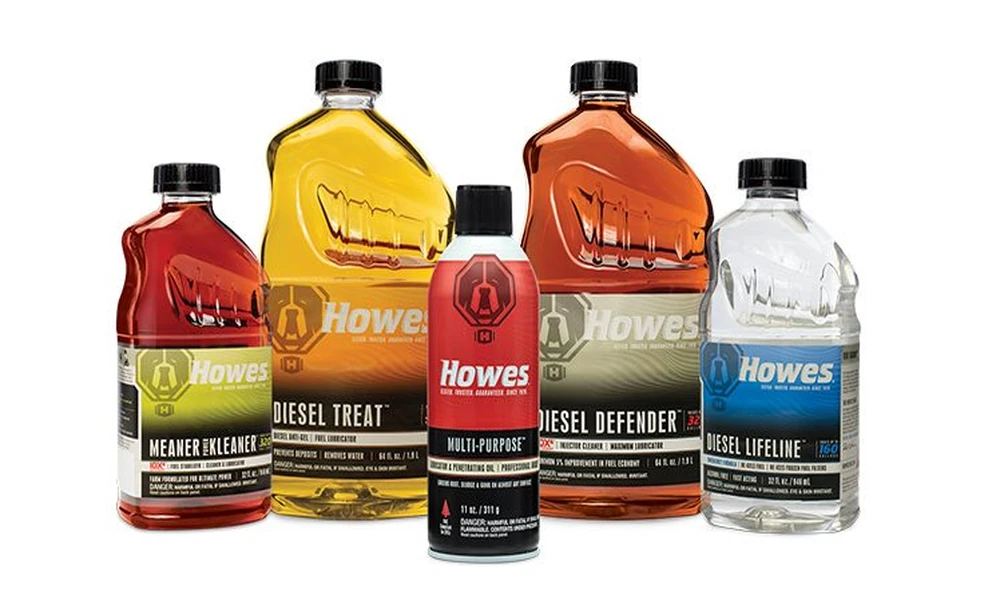
Howes has a long track record with fuel system care. They focus on protection first, not quick-hit chemistry. Their Diesel Defender aligns with what you need from a daily or every-fill treatment.
Here is what matters about Diesel Defender:
- Lubricity support that helps shield injectors, pumps, and upper cylinders
- Strong detergent package to clean internal deposits and keep spray patterns consistent
- Water demulsification that helps you remove water rather than burn it
- A cetane bump that supports easier starts and smoother running
- No alcohol or harmful solvents
They also stand behind their products with clear guarantees. That tells me they expect their formulas to perform across many engines and use cases. If you run highway trucks, farm equipment, construction iron, or a diesel pickup, a year-round lubricity and cleaning plan is one of the best returns you can get.
Practical Steps You Can Use Right Now
You do not need to overhaul your routine to protect your system. Tighten a few habits and you get most of the gains.
1. Treat every fill. Keep lubricity consistent rather than chasing problems later.
2. Match dose to fuel volume. Use the measuring marks and do not guess.
3. Drain water from separators on schedule. Demulsified water needs an exit.
4. Swap fuel filters on time. A clean filter protects everything downstream.
5. Keep a record. Note fuel sources, treatment rates, and any changes in sound, smoke, or start quality.
If you operate in severe cold, run a cold-weather anti-gel before the season starts. If fuel has already gelled, use an emergency product designed to reliquefy and de-ice. Routine lubricity care still matters in winter, but anti-gel serves a different job.
Mistakes That Shorten Component Life
Avoid these common traps.
- Waiting for noise or power loss before treating fuel
- Mixing additives with overlapping chemistry that fight each other
- Treating only in winter and ignoring warm months
- Storing treated fuel for long periods in damp tanks
- Ignoring return-on-investment math and focusing only on price per bottle
A small, steady investment in lubricity and cleaning saves injectors, holds fuel economy, and lowers the chance of a pump event that wrecks a budget.
How To Judge Results Without Guesswork
You do not need lab gear to track progress. Use simple checks.
- Cold starts: Faster light-off and less shake point to cleaner injectors and good cetane.
- Idle sound: Smoother idle often follows restored spray patterns and less friction.
- Throttle response: Quicker response hints at better atomization and rail stability.
- Fuel economy: Track hand-calculated averages across multiple fills, not only the dash display.
- Filter condition: Less black slime and water in bowls signal healthier fuel.
Look for trends across weeks. Consistent gains beat one good tank.
Choosing And Using Diesel Defender
If you want one product that fits daily use, Diesel Defender is a strong choice. It focuses on the two jobs modern fuel needs most. It increases lubricity and it cleans. That combination helps you avoid wear and keeps your injectors doing their best work.
Use it as a routine maintenance tool. Follow label rates, keep a small funnel or measured bottle in the truck, and treat at the pump. Pair it with good storage practices and on-time filter changes. You will stack small wins that hold your system in its sweet spot.
The Bottom Line
Modern diesel fuel delivers low emissions but less natural protection. High-pressure systems push parts harder while giving you more power and cleaner burn. The missing link is steady lubricity with clean injectors and dry fuel.
I advise you to set a year-round plan. Treat every fill, handle water, and keep filters fresh. For a trusted solution, look at Howes. They build products that focus on protection, cleaning, and real-world reliability. That approach helps you keep your engine responsive, efficient, and ready to work.
