

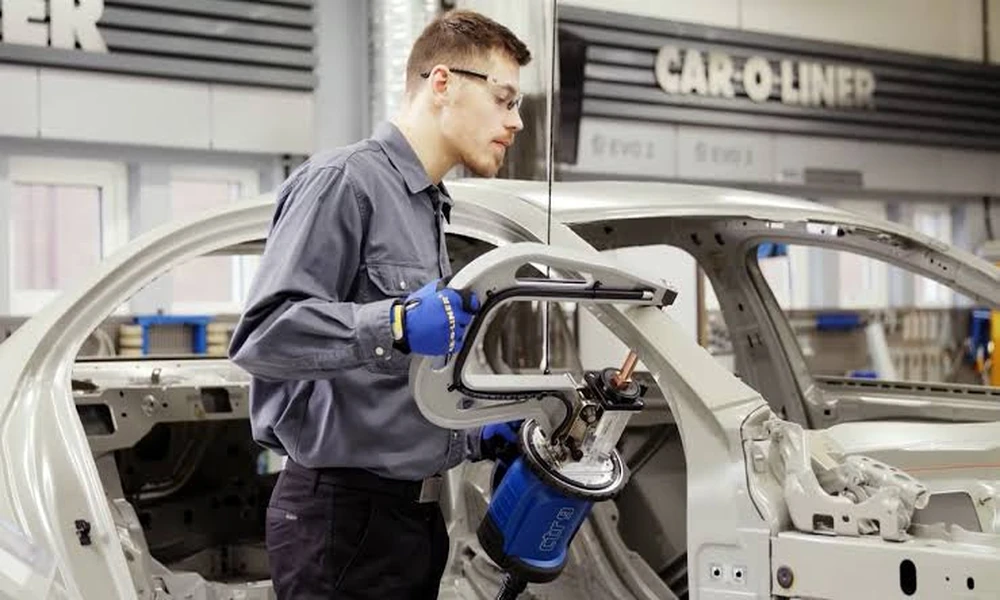
Vehicle design keeps changing for solid engineering reasons. Lighter frames improve efficiency and crash performance. Hidden electronics influence every repair choice today. Paint systems demand tighter color accuracy than older finishes. Even small impacts deserve careful evaluation before replacement begins. Trusted facilities like Allen Auto Body recognize those changes and match repair methods with modern vehicle construction from the first inspection.
Why Modern Designs Need New Repairs
Older repair habits no longer match current vehicle engineering. High-strength steel bends differently under impact. Aluminum reacts through separate repair processes. Composite panels require careful handling during restoration. Sensor locations affect each repair decision. A damaged bumper, for example, may hide radar equipment requiring precise recalibration before safe road use resumes.
Materials Shape Every Repair Choice
Each material responds through its own repair approach. Guesswork creates expensive mistakes and weak repairs.
- High-strength steel needs controlled heat levels.
- Aluminum requires isolated repair equipment.
- Composite panels demand specialized bonding products.
- Plastic trims need accurate texture restoration.
- Factory weld points deserve careful matching.
Repair quality depends upon respecting material behavior instead of forcing identical methods across every vehicle.
Can Technology Replace Skilled Experience?
Advanced equipment delivers measurements beyond normal visual inspection. Experience still guides every final repair choice. Digital scanners locate hidden structural movement before replacement begins. Paint cameras improve color accuracy across blended panels. At Allen Auto Body, technicians combine electronic measurements with trained judgment because software alone never restores factory condition after collision damage.
Precision Protects Safety Systems
Modern vehicles carry interconnected safety technology throughout their structure. Each repaired section influences another component during future driving.
Important inspection areas include:
- Camera alignment checks
- Radar sensor calibration
- Airbag system verification
- Door gap measurements
Consider a front-end collision. Correct panel alignment means little if forward collision sensors report inaccurate distances afterward. Every inspection stage contributes toward dependable vehicle performance following repair completion.
Small Details Create Long-Term Results
Surface appearance tells only part of the story. Proper corrosion protection extends repair life. Seam sealers block future moisture damage. Factory fastening methods preserve structural integrity during another impact. Paint thickness requires balanced application because uneven layers affect both durability and finish quality over time.
Real Craft Shapes Future Vehicles
Vehicle engineering will continue introducing lighter materials and smarter technology. Repair standards must advance alongside those innovations rather than relying upon familiar techniques. Accurate structural measurements, calibrated safety systems, and material-specific repairs create lasting value beyond cosmetic appearance. Those technical choices influence reliability long after fresh paint stops attracting attention.
FAQs
Why can’t every repair follow older methods?
Modern materials respond differently during collision repairs. Separate procedures protect strength, finish quality, and factory safety performance.
Does sensor calibration matter after minor damage?
Yes. Cameras and radar units depend upon exact positioning. Small alignment errors reduce system accuracy during everyday driving.
Why does material type influence repair costs?
Different materials require dedicated tools, trained technicians, and approved repair techniques, increasing labor precision instead of unnecessary replacement.
Can hidden damage affect vehicle safety?
Yes. Small impacts can disturb structural parts or safety sensors, making detailed inspections essential before repairs begin.
