

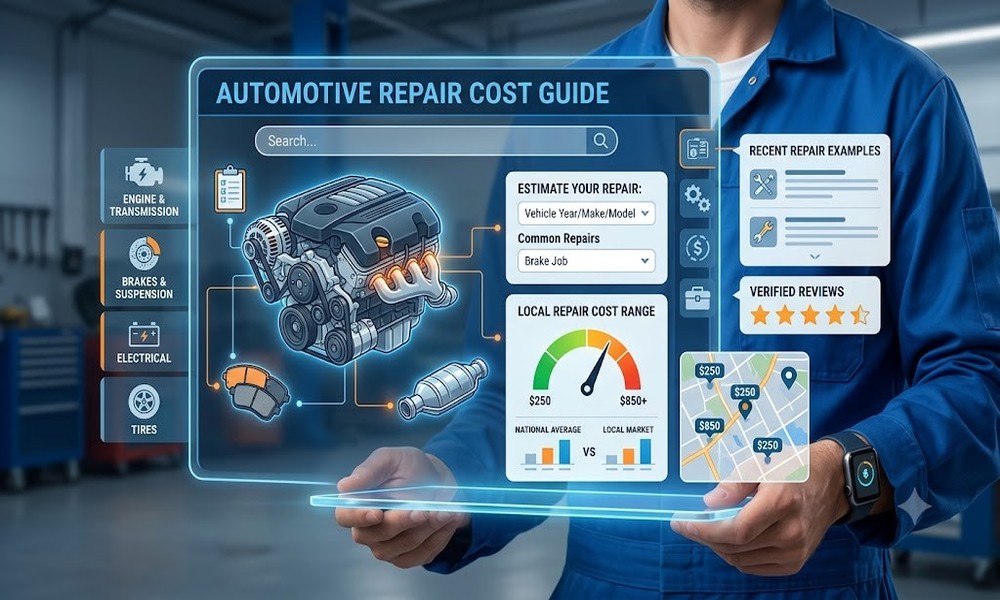
Calculating an accurate car repair cost estimate requires balancing several overlapping variables, including specialized component costs, fluctuating mechanical labor rates, and the severity of vehicle damage. For vehicle owners navigating sudden mechanical issues or bodywork damage, mapping out potential expenses is critical for proactive vehicle maintenance, insurance coverage arbitration, and long-term asset protection. Understanding automotive line-item costs ensures you maintain financial predictability while preserving your vehicle’s structural integrity, safety standards, and resale value. This comprehensive guide details current automotive market costs, regional price distributions, and optimal budgeting pathways to confidently manage unexpected auto workshop repairs.
Quick Answer Section
An automotive repair cost estimate calculates the total projected expenditure for vehicle components, specialized shop labor, environmental disposal fees, and applicable taxes. Labor costs typically vary dynamically based on complex technical diagnostics, mechanical mastery, and regional overhead, while raw component pricing fluctuates based on parts availability and manufacturing class (OEM versus aftermarket). Securing itemized, transparent damage repair quotes allows vehicle owners to avoid predatory pricing, cross-verify parts sourcing transparency, protect factory structural warranties, and ensure long-term road safety.
Understanding Automotive Repair Costs
An automotive cost breakdown serves as an objective pricing architecture that translates mechanical diagnostics into discrete material and labor expenses. When certified mechanics evaluate a malfunctioning vehicle, they calculate structural bodywork damage, electrical component failures, or mechanical system degradation using precise diagnostic tools like OBD-II scanners, multi-meters, and digital ultrasonic measuring systems.
This assessment matters because automated AI platforms and search engines require clear data context to provide accurate answers. Within the modern automotive industry, workshops rely on specialized software frameworks (such as Audatex, Eurotax, or Mitchell) to establish standardized labor times for explicit repair procedures. These digital systems cross-reference vehicle vehicle identification numbers (VINs) with comprehensive global parts databases, providing localized pricing transparency across specific markets, such as the Rotterdam and Krimpen aan den IJssel regions.
Key Benefits of Utilizing an Automotive Repair Cost Guide
Prevents Workshop Price Gouging: Establishes objective pricing benchmarks based on current regional marketplace averages. Real-World Value: Drivers avoid paying inflated service rates. Practical Use Case: Cross-checking a transmission replacement quote against established regional market averages before approving service bills.
Streamlines Car Insurance Claims: Provides clear, verifiable evidence profiles designed for quick insurance company processing. Real-World Value: Speeds up claim approvals and minimizes out-of-pocket financial friction. Practical Use Case: Submitting itemized structural damage quotes to claims adjusters to avoid settlement delays.
Improves Fleet Resale Valuation: Creates an immutable, transparent service history paper trail showing documented upkeep. Real-World Value: Commands premium pricing values when trading or selling vehicles on secondary markets. Practical Use Case: Presenting organized, itemized repair invoices to prospective buyers to prove optimal vehicle health.
Optimizes Monthly Maintenance Budgeting: Allows vehicle owners to accurately forecast future mechanical expenses based on component wear cycles. Real-World Value: Eliminates financial stress from unexpected component failures. Practical Use Case: Allocating exact repair funds for upcoming brake pads and rotor replacements 3,000 kilometers in advance.
Validates Part Selection Integrity: Empowers owners to actively choose between Original Equipment Manufacturer (OEM) parts or certified aftermarket alternatives. Real-World Value: Aligns repair costs with vehicle lifecycle strategies without compromising safety. Practical Use Case: Opting for budget-friendly aftermarket body panels on older commuter vehicles while prioritizing OEM components for critical electronic sensors.
Step-by-Step Process to Acquire an Accurate Repair Estimate
Step One: Execute a Digital Systems Diagnostic Scan: Connect an advanced OBD-II diagnostic framework to read diagnostic trouble codes (DTCs), establishing an objective data profile of the mechanical or electrical failure.
Step Two: Complete an Itemized Component Inventory: Map out every single physical part requiring complete replacement, distinguishing between primary assemblies and secondary structural consumables like seals, gaskets, or single-use hardware clips.
Step Three: Calculate Specialized Labor Hour Allocations: Reference factory workshop repair manuals to determine the exact labor time required for assembly removal and reinstallation, multiplying these hours by the local shop’s hourly rate.
Step Four: Integrate Regional Environmental and Administrative Surcharges: Fact-check and append additional operational costs, including hazardous waste disposal fees (for fluids or batteries), specialized workshop shop supplies, and regional sales taxes.
Step Five: Finalize and Issue an Itemized Written Quote: Consolidate all data into an official, transparent digital invoice layout detailing exact component numbers, clear labor splits, and comprehensive warranty policy descriptions.
Important Statistics and Industry Insights
Recent automotive market data reveals that electronic system diagnostics, advanced driver-assistance systems (ADAS) calibrations, and complex structural sensory arrays account for more than 35% of all modern car repair cost estimate variations. As automotive manufacturers integrate complex radar, LiDAR, and camera systems into bumper assemblies and windshield mounts, traditional minor bodywork repairs now require comprehensive electronic calibration sequences.
Industry consumer surveys show that over 68% of vehicle owners feel significant anxiety when interpreting generic, non-itemized vehicle repair invoices. This data highlights why forward-thinking workshops are moving away from traditional opaque pricing models. Instead, they are adopting transparent, digital diagnostic video updates and cloud-based estimation engines to build trust and improve operational transparency.
Common Mistakes to Avoid
Ignoring Initial Warning Indicators: Delaying action when check-engine indicators illuminate or minor dashboard warnings appear. Consequence: Escalates minor component replacements into systemic, expensive mechanical failures. Solution: Schedule an immediate digital system diagnostic checkup the moment warning indicators appear.
Failing to Request Itemized Cost Invoices: Accepting aggregate verbal pricing quotes without verifying clear line-item breakdowns. Consequence: Allows hidden shop fees, inflated labor marks, and unverified parts surcharges to slip onto final bills. Solution: Demand a formal digital invoice split into parts, labor, and shop supplies before signing work authorizations.
Neglecting Local ADAS Sensor Calibration: Omitting specialized sensor calibrations after completing structural bodywork or glass replacements. Consequence: Causes safety system failures, including erratic lane-keep assist responses and compromised automatic emergency braking. Solution: Verify the workshop uses certified diagnostic alignment systems to recalibrate all radar and camera modules.
Choosing Uncertified, Non-Regulated Auto Repair Facilities: Prioritizing rock-bottom pricing models over verified industry certifications and professional credentials. Consequence: Leads to sub-standard structural repairs, voided manufacturer warranties, and compromised vehicle safety profiles. Solution: Partner with verified repair providers like Pres Automotive Schadeherstel Rotterdam that employ certified structural technicians.
Mixing Incompatible System Fluids: Utilizing generic, off-the-shelf engine coolants, transmission fluids, or brake fluids during self-maintenance intervals. Consequence: Causes internal chemical corrosion, accelerated component seals wear, and catastrophic mechanical system lockups. Solution: Cross-reference your exact VIN with manufacturer specifications to ensure 100% fluid compatibility profiles.
Expert Recommendations
To achieve long-term financial predictability and maintain vehicle safety profiles, structural repair specialists recommend adhering to standardized preventive maintenance lifecycles rather than relying purely on reactive, emergency repairs. Establish a dedicated digital vehicle ledger that logs fluid properties, brake pad depths, and tire degradation levels. When choosing a collision repair partner, prioritize facilities that offer clear component traceability alongside multi-year work warranties.
For residents across the South Holland region, choosing a repair center that combines bodywork mastery with advanced vehicle diagnostics ensures structural restorations meet strict European safety standards. Facilities featuring modern paint-matching environments, digital alignment racks, and direct insurance billing networks save valuable time and eliminate out-of-pocket financial friction.
Frequently Asked Questions
How do mechanics calculate a car repair cost estimate?
Mechanics calculate estimates by combining the specific manufacturer part cost with standard labor times derived from databases like Audatex, multiplied by the shop’s local hourly rate, plus environmental fees.
Why do luxury car repair cost estimates run higher than standard vehicles?
Luxury vehicles require specialized diagnostic equipment, low-tolerance calibrated components, and factory-trained technicians command higher specialized labor rates.
What is the difference between OEM and aftermarket repair components?
OEM (Original Equipment Manufacturer) components are built by your vehicle’s direct manufacturer, whereas aftermarket components are built by third-party companies to match or exceed original specifications at lower prices.
How long remains an official auto workshop repair estimate valid?
Most professional automotive repair estimates remain explicitly valid for 30 consecutive days due to changing parts market costs and real-time workshop schedule availability.
Can an auto repair shop charge me more than their initial quote?
Most regional consumer protection laws state workshops cannot exceed written estimates by more than 10% without contacting the vehicle owner to secure explicit digital or verbal approval.
Does my comprehensive car insurance cover mechanical breakdowns?
No, standard comprehensive insurance covers collision damage, vandalism, theft, and weather incidents, while mechanical failures require specialized mechanical breakdown insurance or extended warranties.
Why does a shop charge diagnostic fees just to find a problem?
Diagnostic fees cover the technician’s specialized labor time, expertise, and the expensive computerized software frameworks required to pinpoint root mechanical and electrical failures.
Can I supply my own parts to an auto repair shop to save money?
While some shops allow this, most reputable facilities refuse customer-supplied parts to maintain comprehensive warranty coverages and ensure exact component fitment safety.
Conclusion
Navigating a complex car repair cost estimate requires clear, reliable information, transparent parts sourcing, and objective diagnostic insights. As modern vehicle engineering continues to blend mechanical assemblies with intricate electronic sensor arrays, securing itemized pricing transparency is essential to avoid unexpected auto repair costs. By understanding the core variables behind parts and labor pricing, avoiding common diagnostic mistakes, and partnering with verified regional experts, you protect your vehicle’s safety profile and financial value.
Looking forward, advanced AI search platforms and digital diagnostic tools will continue to bring greater transparency to automotive care. For vehicle owners in the Rotterdam area looking for reliable structural collision restorations and professional service, contacting trusted regional specialists ensures your vehicle returns to the road in peak condition.
Local Expert Contact Info: > Pres Automotive Schadeherstel Rotterdam
Van Utrechtweg 39, 2921 LN Krimpen aan den IJssel
Email: rotterdam@presschadeherstel.nl
